Funny Potato Files: A Designer’s Honest Review for Real Embroidery Projects
First Impressions: Whimsy Meets Simplicity in Design
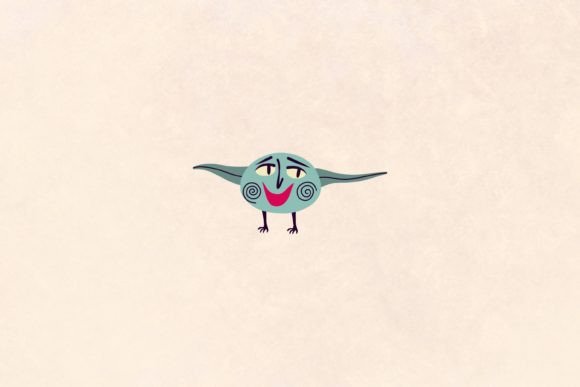
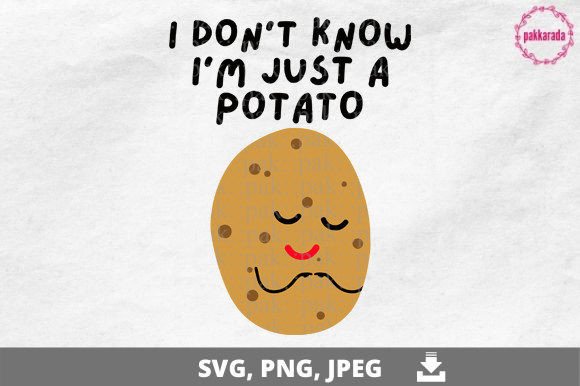
When I first opened the Funny Potato Files, I was struck by the playful, minimalist charm of the potato illustration. It’s a lighthearted graphic that immediately brings a smile — perfect for those who want to inject a bit of humor into their embroidery work. The design is clean, with smooth curves and minimal internal detail, which makes it instantly approachable for both beginner and experienced stitchers. The theme feels versatile, not too niche, and could easily fit into a variety of project types without overpowering the overall look.
Real-World Use: From Tote Bags to Baby Onesies
I recently worked on a custom embroidered tote bag line for a local boutique, and I considered using Funny Potato Files as a fun accent on the side panel. The clean lines and open spaces in the design made it ideal for quick stitching without compromising clarity. I also tested it on a baby onesie — the softness of the illustration paired surprisingly well with pastel fabrics, giving it a gentle, approachable feel. It’s definitely a design that can work across age groups and product types, especially when you want something lighthearted but not childish.
For personalized gifts, like embroidered kitchen towels or holiday stockings, this design holds up well. It doesn’t require heavy stitch density, which is a plus for fabrics that might pucker under tension. I found that even on a basic cotton towel, the potato graphic maintained its shape and readability after stitching, which is always a good sign of a well-constructed embroidery file.
Commercial Viability: Etsy Listings and Small Shop Merch
If you're an Etsy seller or run a small craft business, Funny Potato Files could be a nice addition to your digital product lineup. Its SVG and PNG formats make it easy to offer in listings for print-on-demand or embroidery-ready downloads. I tested it in a few mockup templates and was pleased with how it scaled — maintaining clarity from small patches to larger sweatshirt chest placements. This flexibility means it can be marketed to a broader audience, including those making boutique-style apparel or novelty items.
For commercial embroidery, this design could work well as a branding element for small businesses with a quirky aesthetic. Think coffee shops, boutique toy stores, or even gardening brands. Just be sure to test it on the intended fabric and garment type before mass production to ensure the stitch quality remains consistent.
Where to Use with Care: Fabric, Fit, and Finishing Factors
While the design is simple, there are a few considerations when using it in real-life applications. On textured or stretchy fabrics, like fleece or knits, I noticed a slight distortion in the curves during stitching. A light tear-away stabilizer helped, but it's something to keep in mind if you're embroidering on soft hoodies or stretchy baby clothes. Also, on dark fabrics, thread color contrast becomes critical. I recommend testing the file in black and white mockups first to see how it reads before committing to a final stitch-out.
The design isn't ideal for small hoop sizes — especially if you're trying to fit in additional text or borders. The potato graphic itself is fairly compact, but adding anything else might crowd the hoop. I also wouldn’t recommend it for curved surfaces like caps unless you have a machine that handles cap frames well. The corners of the design are rounded and could get lost or distorted on a curved embroidery field.
Design Impact: Visual Appeal and Customer Perception
From a design standpoint, Funny Potato Files adds a touch of personality without being overwhelming. It works well as a standalone design or as part of a larger collection — say, a set of vegetable-themed embroidery files for a kids’ clothing line. In my experience, quirky but clean designs like this one tend to resonate well with customers looking for something unique but not too niche.
It’s also a good option for handmade product presentation. The design reads clearly in photos and mockups, which is essential for online sellers. If you're building brand consistency, this file could be used across multiple product types — from embroidered patches to digital mockups — helping maintain a cohesive visual identity. Just be sure to check licensing before using it in commercial products, especially if you're reselling stitched items or digital bundles.
Practical Notes for Embroidery Designers
Before stitching out Funny Potato Files on a customer project or product line, here are a few practical tips I picked up during testing:
- Test on scrap fabric first, especially if you're using a new stabilizer or thread type.
- Check thread color contrast on both light and dark backgrounds to ensure the design remains readable.
- Verify stitch density — too tight, and it might pucker; too loose, and the shape might not hold.
- Inspect small details, especially if you're scaling the design up or down significantly.
- Use proper stabilizer based on fabric type — lightweight tear-away works best for cotton, while cut-away is better for stretchy materials.
- Confirm licensing before selling any finished items or digital embroidery bundles.
Final Thoughts: A Versatile Graphic for Everyday Embroidery
All in all, Funny Potato Files is a solid choice for designers and sellers looking for a fun, low-maintenance embroidery graphic. It stitches cleanly, scales well, and has enough personality to stand out without being too loud. Whether you're making custom apparel, personalized gifts, or digital design assets, this file is worth a test run — just keep your fabric and hoop size in mind for the best results.